membrain222

The Authored Trace

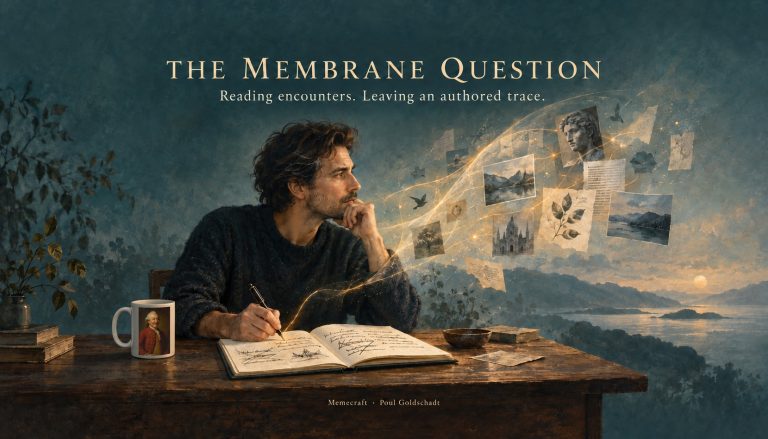
The Authored Trace An authored trace is an account of how I came to an interpretation: what drew my attention, what I accepted, what I questioned, and what changed through reflection. The answer belongs in that account, together with something…

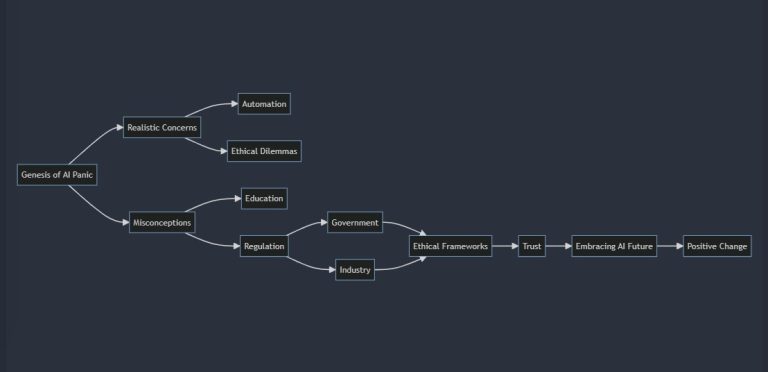
mermaid 2

Controversy and Press (Part 8)

I. The First Public Controversy “Is Memecraft Manipulating Meaning?” The controversy does not erupt. It is released. A screenshot circulates on social media: “Memecraft says this Tarot card means I should stop trusting my job. Is this psychological manipulation?” The…

ChatGPT Image 15. sep. 2025, 11.52.33

The Committee of Reason Discusses Memecraft (part 8)

Closed Session: The Committee of Reason Discusses Memecraft (Recording unofficial. Accountability explicit.) The Baron does not sit. He stands slightly aside, phone still warm in his hand. “Memecraft,” he says, “exists. Which means it can now do harm.” Silence. Sabine…

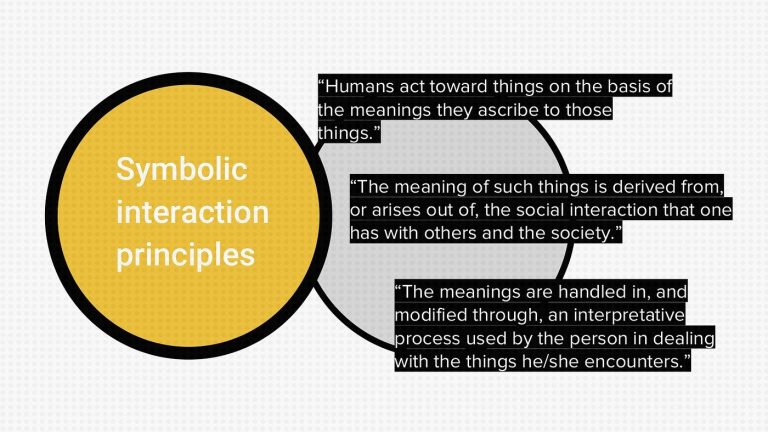
symbosk 2

Four short scenes (part 6)

Excellent. Then we do all four, but cleanly separated—like proceedings that pretend to be orderly. Below are four short scenes, each doing real conceptual work, each sharpening a different edge of the Committee. I. Sabine vs. Yoda — Force, Emergence,…

ChatGPT Image 9. apr. 2025, 17.28.20

When Machines Become Creative by Mistake

When Machines Become Creative by Mistake We were once promised robot maids and self-driving cars. Instead, the most striking technological surprises of our time have emerged in an entirely different domain: intelligence. Machines that struggle to walk across a room…

20211019 064913000 iOS

Nietzsche’s Will to Power vs. Schopenhauer’s Will: An Analytical Examination

Nietzsche and Schopenhauer, two prominent philosophers of the 19th century, proposed contrasting views on the nature of human desires and motivations. Nietzsche's concept of the "Will to Power" emphasizes the potential for growth and self-actualization, while Schopenhauer's notion of the "Will" suggests that human desires are ultimately futile and lead to suffering. This article aims to provide an analytical examination of these philosophical ideas, exploring their implications for human existence and the pursuit of happiness.

2017 11 21 07.13.53 800x515 transformed

Reflections on the Dunning-Kruger Effect in Modern MAGA Politics

The Dunning-Kruger effect is a cognitive bias where individuals with low ability at a task overestimate their ability. Named after the two social psychologists who first formalized the effect, David Dunning and Justin Kruger, this bias has become an essential concept in modern psychology. In this article, we reflect on the Dunning-Kruger effect in the context of MAGA (Make America Great Again) politics, a movement primarily associated with former President Donald Trump's base of supporters. We will also explore the role of cognitive bias in the contemporary political arena.

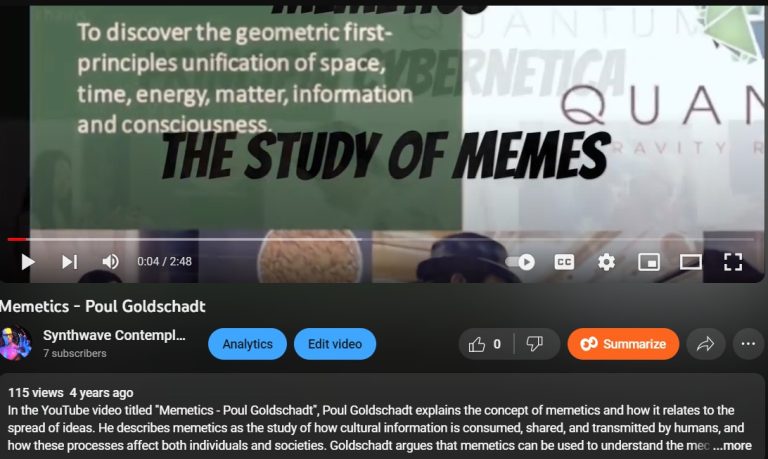
memetics

Mastering Memetics: Unleashing the Power of Ideas

Memes have become an integral part of our digital lives. From the sarcastic Grumpy Cat to the iconic Pepe the Frog, memes capture cultural references and spread them rapidly across the internet. But memes go beyond online humor; they shape our attitudes and opinions. Take, for example, political memes that satire politicians or highlight societal issues. These memes not only provide comic relief but also serve as a powerful tool for social and political commentary.