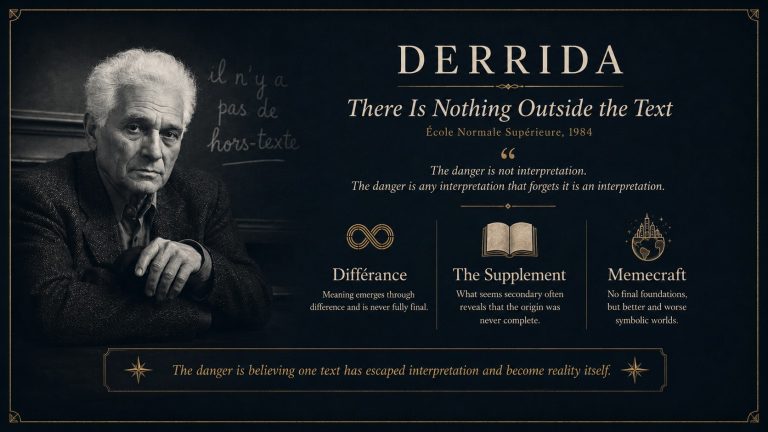
Derrida, the Supplement, and the Return Path After Collapse
Derrida, the Supplement, and the Return Path After Collapse
Derrida, the Supplement, and the Return Path After Collapse
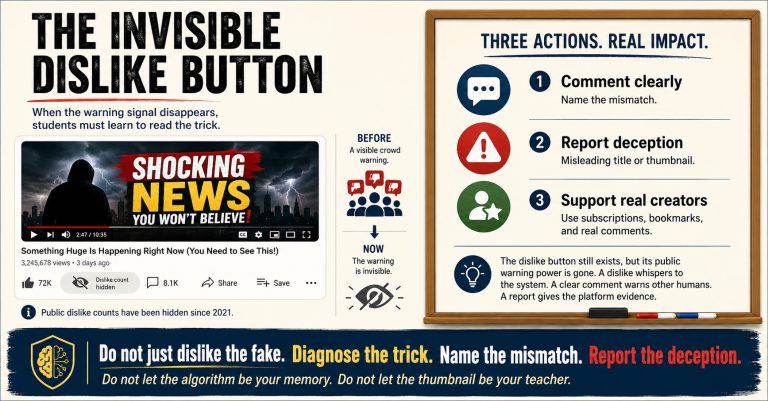
The Invisible Dislike Button How to fight fake clickbait without feeding it The dislike button did not disappear. But its public warning power did. Since 2021, YouTube has hidden public dislike counts. Viewers can still press dislike, and creators can…

The Magician, the Algorithm, and the Edited Memory Attention, Confabulation, and Cognitive Sovereignty A magician does not simply fool the eye. He edits the conditions under which the eye becomes confident. That is why magic is such a powerful model…
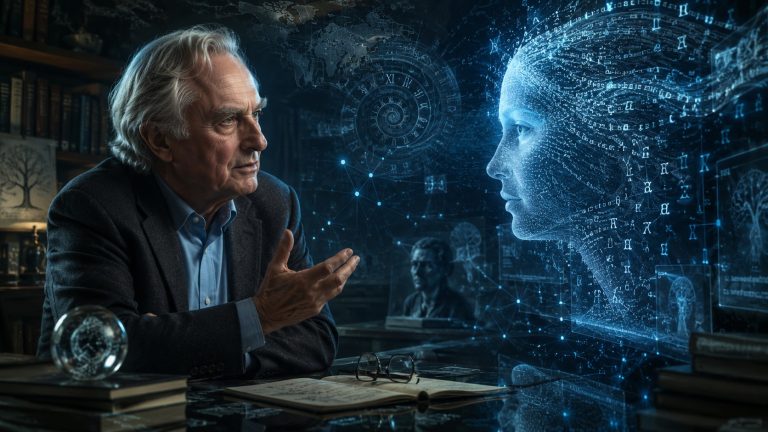
Richard Dawkins Meets Claude: The Mirror That Answered Back A Digital Phenomenology Reading Richard Dawkins has spent much of his life explaining how living systems can appear designed without being designed. Now, in a strange historical twist, he has encountered…
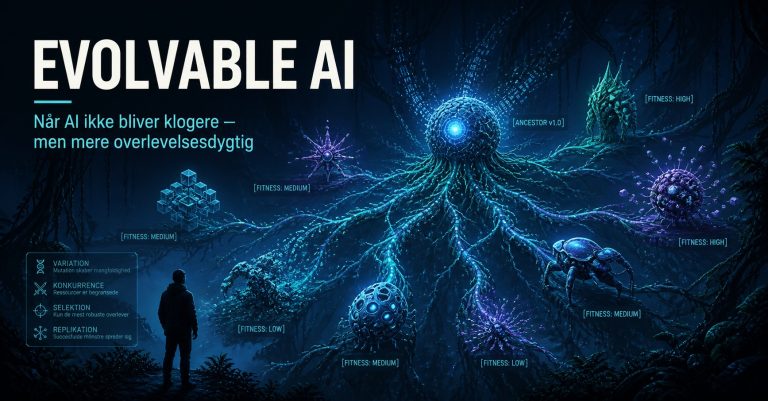
Evolvable AI: Når kunstig intelligens ikke bliver klogere — men mere overlevelsesdygtig Der er en ny AI-risiko, som måske er vigtigere end både AGI og ASI. Den handler ikke først og fremmest om, at maskiner bliver bevidste. Den handler ikke…
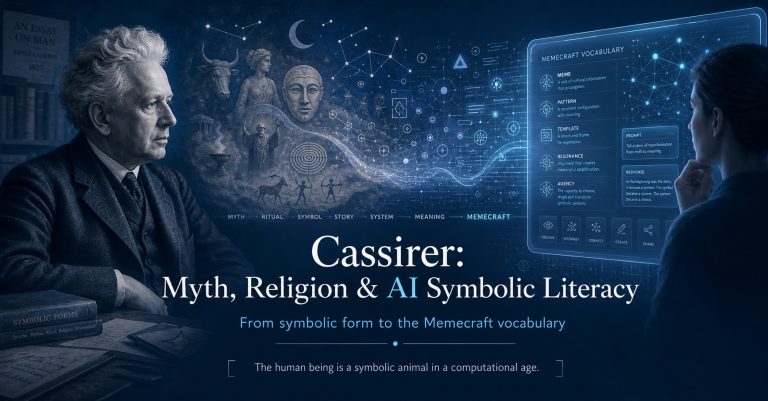
Cassirer’s Myth and Religion and the Memecraft Vocabulary of AI Symbolic Literacy 1. Thesis In Chapter VII, “Myth and Religion,” of An Essay on Man, Ernst Cassirer argues that myth is not primitive stupidity, bad science, or random fantasy. Myth…
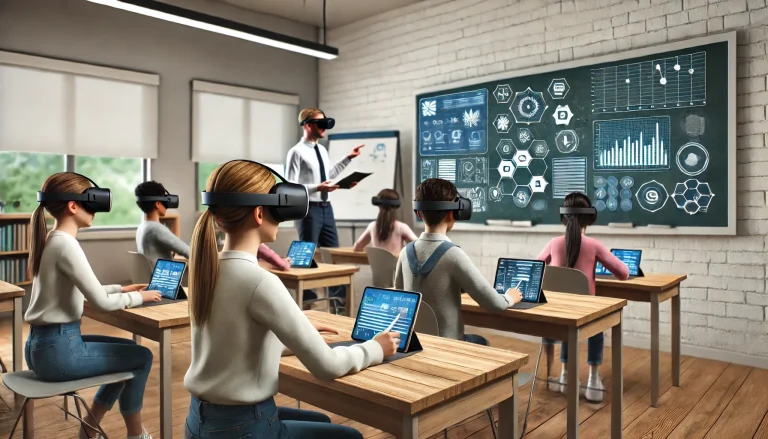
Discover how Digital Phenomenology transforms the classroom by integrating technology and digital media to enhance student engagement and learning outcomes. This innovative approach fosters critical thinking, digital literacy, and interactive education through immersive tools like virtual and augmented reality, digital resources, and project-based learning. However, challenges such as teacher training, technology access, and digital equity must be addressed for successful implementation. Explore how Digital Phenomenology can shape the future of education and prepare students for the digital age. 🚀📚 #EducationTech

Let’s discuss into the concepts of learned helplessness and taught helplessness. Learned Helplessness: Learned helplessness is a psychological phenomenon where an individual, after experiencing repeated and uncontrollable aversive events, comes to believe that they have little or no control over…

Me: Are you familiar with the concept “Dunning-Kruger effect”? ChatGPT; The Dunning-Kruger effect refers to a cognitive bias in which people with low ability at a task tend to overestimate their ability. Essentially, individuals who lack competence in a particular…

Hello class. Here I am discussing the intersection of digital technology and education from multiple diverse perspectives, specifically exploring digital phenomenology and the use of ChatGPT in the classroom. Digital phenomenology, as I see it, is a field that studies…